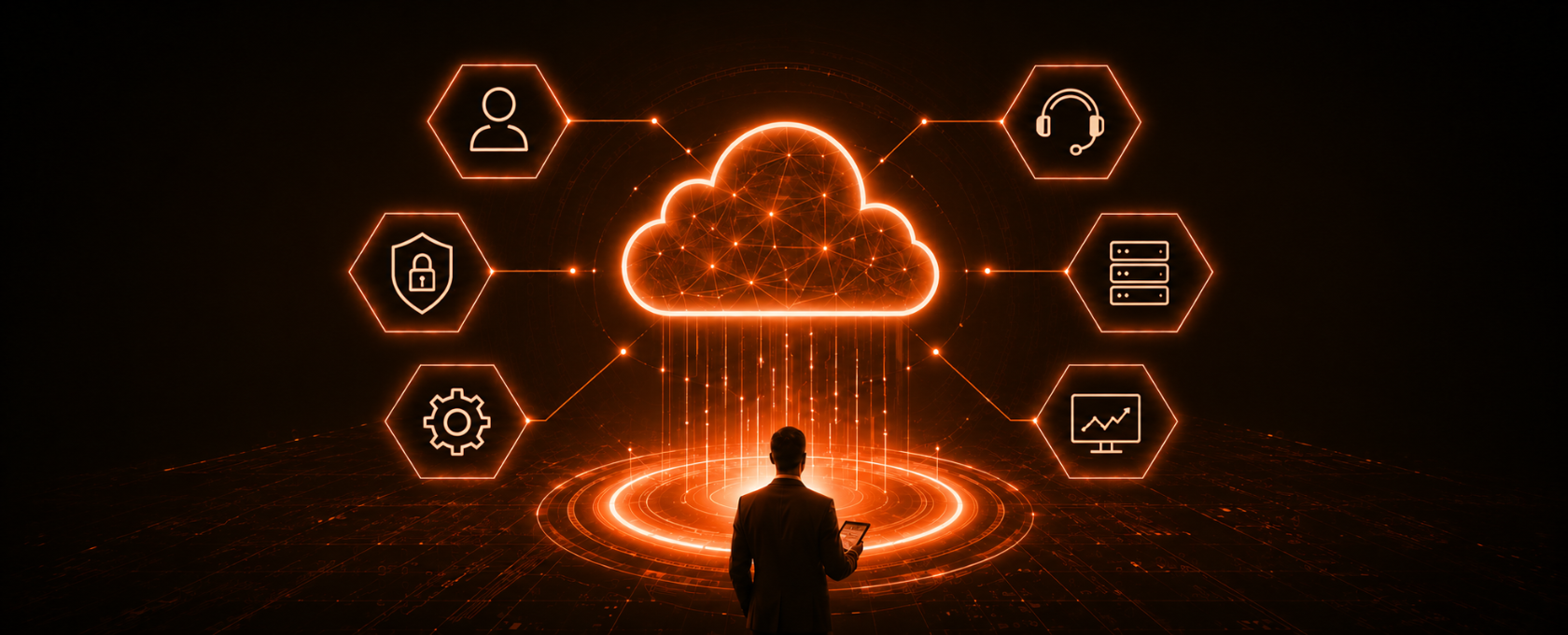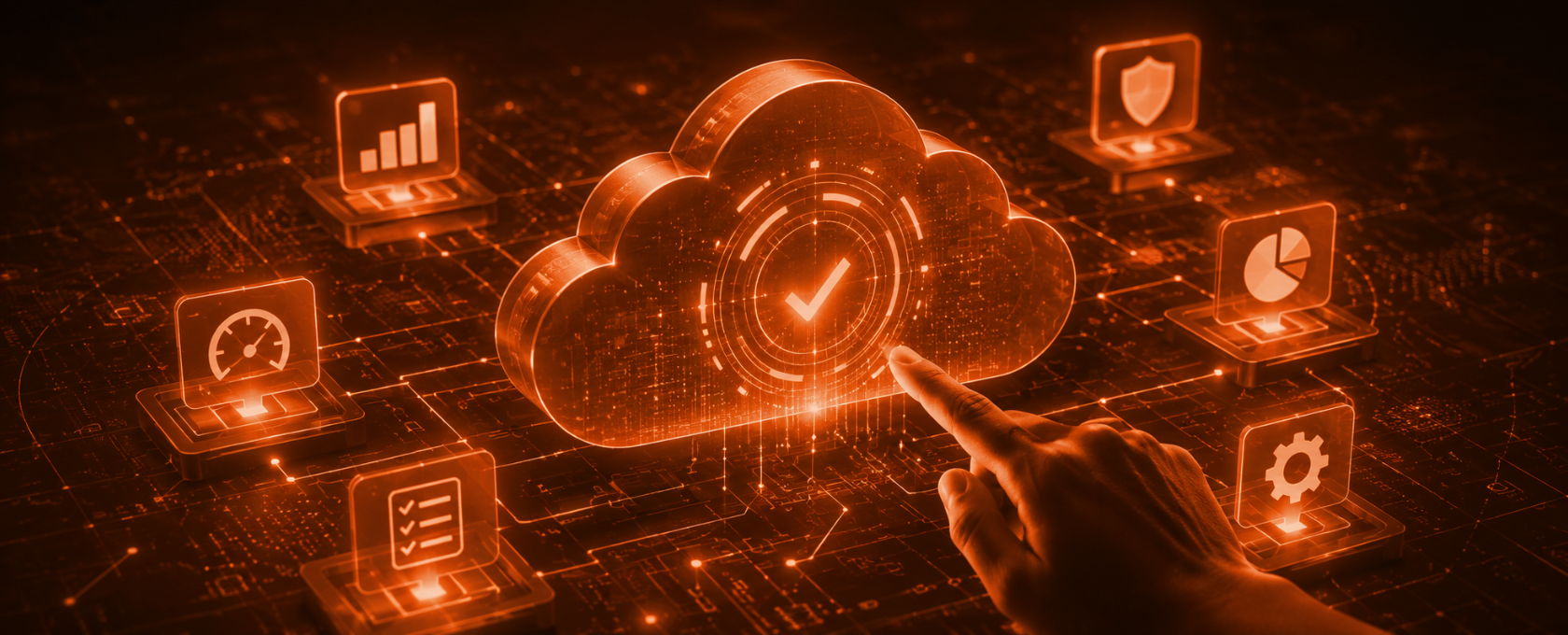























IT environment has become complicated at a pace faster than the organization can accommodate it. In the past, managed IT services were regarded as mere aid to clients in answering help desk requests. Nowadays, however, the term refers not only to managing infrastructure but also to actively participating in decision-making about how the organization will develop in terms of security and cloud. Let’s discuss, the future of managed IT services model and honestly, some of it is already here.
What Are Managed IT Services?
Managed IT services mean outsourcing ongoing management of technology systems to a provider instead of running everything internally. While traditional IT support reacts to problems that have occurred, managed IT services providers strive toward prevention of any potential problem from occurring. In general, managed IT services combine numerous aspects of modern technology, including infrastructure management, cloud management, cybersecurity, monitoring, and technical support. However, many good service providers can do much more than just provide these services.
Why the Managed IT Services Model Is Evolving?
IT environments have gotten messy, hybrid cloud, legacy systems, SaaS sprawl, all running at once. IT environments now can be described as hybrid clouds, legacy systems, and SaaS that work together. At the same time, cyber threats are multiplying faster than internal teams can handle. IT experts are difficult to find and retain, prompting companies to start using already-trained vendors instead.
- IT complexity keeps growing across hybrid environments
- Cybersecurity threats increase in volume and sophistication
- Cloud and hybrid adoption keeps accelerating
- Specialized IT talent stays scarce and expensive
- Businesses need coverage around the clock, not just business hours
- Cost efficiency and scalability matter more than ever
10 Key Trends Shaping the Future of Managed IT Services
1. AI-Powered IT Operations
AI is already showing its might in the area of monitoring and detecting issues before a human notices them. With automated resolution of issues, all the repetitive issues are being effectively removed, thereby allowing people to focus on more complex tasks. Predictive maintenance and AIOps are changing from a simple phrase to a new industry standard at a fast pace.
2. Greater Adoption of Cloud Managed Services
A lot of companies are now not trying to manage clouds themselves anymore. Hybrid and multi cloud setups require constant governance, it is no longer considered as a part-time job. Continuous monitoring and optimization keep cloud environments from quietly drifting into waste.
3. Managed Cybersecurity Becomes Essential
It is no longer enough to just check security once every quarter, it has to be monitored constantly. There is excessive demand for managed security services due to the fact that threats do not have working hours. Zero Trust strategy is becoming a standard, not an advanced option.
4. Automation Will Transform IT Operations
Manual provisioning and patching are disappearing and are probably not going to be missed. Thanks to the Infrastructure as Code, environments became consistent and do not depend on who is clicking through the console. Less manual processes mean fewer mistakes and shorter time for recovery in case of failure.
5. Rise of Predictive and Proactive IT Management
Old management had to deal with the outcome after the server failure; modern management follows predictive or proactive approach that involves attempting to predict and prevent future problems. Performance monitoring and anomaly detection allow catching strange processes before they result in outages. Taking preventative measures is always better than explaining stuff after every downtime.
6. Edge Computing and IoT Management
Environments are spreading out, less centralized data center, more distributed devices everywhere. The management of edge infrastructure and IoT systems require a specific level of knowledge and expertise that not many internal teams possess. Security across all these scattered endpoints is genuinely one of the harder problems in this space right now.
7. Managed IT Services Will Become More Industry-Specific
The generic approach to support IT systems is already outdated, as industries faced with strict compliance standards cannot rely upon it anymore. Healthcare, real estate, and finance sectors require management of both infrastructure and applications tailored to their specific compliance in their particular field. The focus keeps shifting toward business outcomes instead of generic uptime metrics.
8. FinOps and IT Cost Optimization
Spending on IT is subject to greater scrutiny now than before. Cloud cost visibility and resource utilization monitoring catch waste that used to hide in plain sight. IT investment increasingly has to justify itself against actual business value, not just technical merit.
9. Focus on Business Continuity and Resilience
Backup and disaster recovery aren’t checkbox items anymore, they get tested and managed actively. The need for business continuity planning increases as outages and cyber incidents become more frequent. A key factor in this area is that recovery time is becoming a differentiator among competitors.
10. Managed IT Providers Will Become Strategic Technology Partners
Managed service providers are moving toward something much more than just simple infrastructure management; they are progressing toward actual digital transformation. The best providers will begin to create a strategic approach toward emerging technologies as part of the relationship rather than just an upselling activity.
How to Choose a Future-Ready Managed IT Services Provider
Picking the wrong provider costs more than money, it costs time you don’t get back. Look past the sales pitch and check real technical expertise and certifications first.
- Confirm cloud and cybersecurity capabilities, not just general IT support
- Look for proactive monitoring and automation, not reactive ticket handling
- Assess scalability and flexibility for where your business is heading
- Review SLAs and support availability honestly
- Consider actual industry experience, not just a generic client list
- Evaluate a managed service provider by whether they can support long term digital transformation, not just today’s fires
Conclusion
Managed IT services are changing quickly. There are trends like AI, automation, cloud, cybersecurity, and proactive management. Blazeclan’s approach is about managing the present while being prepared for the future. Your company needs a managed IT service provider who can adapt according to the changing landscape of technology instead of just following what others are doing for the past five years. If your organization needs a managed IT service provider who is prepared for the future of technology, consider Blazeclan.
Also Read: